Curators in Residence Program
A Residency for Africa’s Boldest Curatorial Minds
About The CIR Program
“This residency is about holding questions that matter, from those who have been asking them already. Questions about the future of storytelling, the role of community in media-making, and how creative practice can challenge power and reveal new truths.”
– Martie Mtange, Lead Curator, Baraza Media Lab.
About the Hadithi Longform Nonfiction Grant
For the past few months, Baraza Media Lab and Carey Baraka have been talking about journalism. In particular, we have been speaking about narrative journalism, which is part of what Carey does. Journalism is hard, but narrative journalism (or longform nonfiction, or creative nonfiction, or whatever term you want to refer to it) has its own set of deep-seated problems. For people doing this kind of writing in East Africa, one has to wade through a lack of a publishing infrastructure to support this kind of writing, security fears from particular kinds of writing, research gaps, funding gaps, and editing gaps.
And so, we have decided to create a new program to mitigate some of these problems. The Hadithi Longform Nonfiction Grant is a grant for journalists and writers working in narrative journalism. The reporting costs for these kinds of stories can be extremely expensive, and so the Hadithi Longform Nonfiction Grant will work to cover some of the costs of this work. For this first iteration of the grant
Grants are open to any East African journalist/writer for pieces of narrative journalism. We were welcome to both writers with an extensive history of publishing nonfiction, and those who are relative beginners to this field. The grant application period is from June 12th, 2026, to July 12th, 2026. The grant covers stories of all kinds: there are no thematic restrictions. We only ask that all stories be for narrative journalism. The grant will cover reporting costs related to the stories, as well as an additional stipend for the successful writers.
To Apply, you’ll have to provide the following:
A 250-500 word description of the story you intend to write, including estimated word count of the final story.
A brief bio detailing your publication history.
A preliminary budget estimate detailing how much you’ll need for your story.
A letter of commitment from a publication willing to publish your story (Preferred, though not necessary).
A 500–2,000 word sample of your previous work, or a link to published work.
Successful applicants will receive funding for their reporting. They will also receive research assistance in the course of their reporting from Baraza Media Lab’s research team. Successful applicants without letters of commitment will receive assistance in getting their stories published.
Carey Baraka,
Curator-in-Residence, Baraza Media Lab.
Program Components
The Curator in Residence will develop and deliver a set of outputs that reflect their practice, interests, and engagement with the Baraza community. These include:
- One community-facing convening that brings together audiences around a theme, question, or area of inquiry relevant to the curator’s work.
- One practice-based output that advances, showcases, or documents the CIR’s creative or curatorial practice.
- One experimental output of the CIR’s choice, providing space to test new ideas, formats, methodologies, or forms of storytelling.
Together, these outputs encourage exploration, public engagement, and creative risk-taking while contributing to Baraza’s mission of amplifying African narratives and strengthening public interest media.
Program Timeline

Meet the Resident Curator
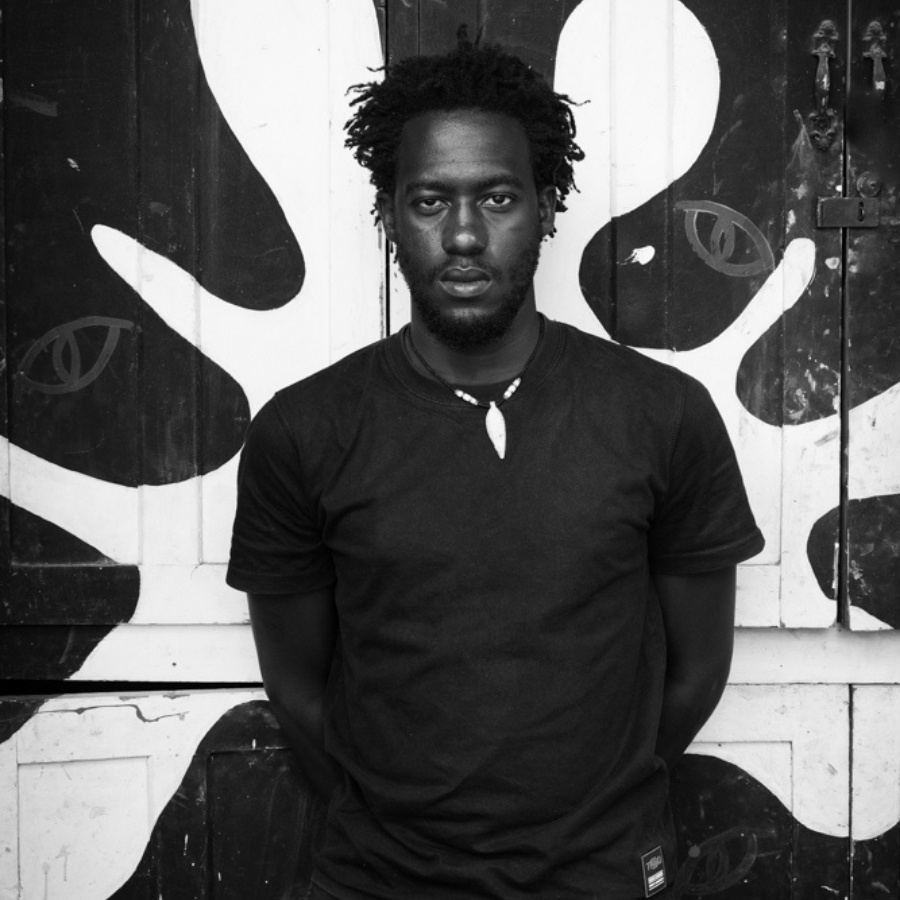
Carey Baraka
Carey Baraka is a writer of fiction and nonfiction from Kisumu, Kenya. He has written for The Atlantic, The New York Review of Books, Guardian Long Reads, Vogue Business, Financial Times, Literary Hub, The Johannesburg Review of Books, 1843 Magazine, The New York Times, Serious Eats, Foreign Policy, Lonely Planet, Now Voyager Magazine, and Gay Magazine, among other places. He is the recipient of a Miles Morland Fellowship, an Iowa Writers Fellowship, and a Macdowell Fellowship, and is the recipient of grants from the Pulitzer Centre for Global Reporting, and the Silvers Foundation.
Frequently asked questions
Frequently asked questions about the Incubation Program
For the initial round, we welcome applications from writers from Kenya, Uganda, and Tanzania.
No, this callout is for new projects only.
While we prefer stories with letters of commitment from a publication, we welcome applications from those without; we will help them get their stories published.
Unfortunately for this early stage, we only welcome applications for stories in English.
The deadline to send in an application is 1st July, 2026.